
Sumac Wax Manufacturer Secrets: Bulk Production for Superior Quality
2026-04-11
Dive into the world of sumac wax manufacturing, where precision meets innovation. Are you ready to unlock the secrets behind bulk production that guarantees superior quality? In this exclusive guide, we'll explore the intricate processes and best practices that set industry leaders apart. At XUSHI, we've honed these techniques to deliver excellence in every batch, ensuring our products stand out in the competitive market. Join us as we reveal the expert insights and practical tips that can transform your approach to sumac wax production, sparking curiosity and driving results.
Unveiling the Art of Sumac Wax Craftsmanship for Bulk Excellence
Delving into the world of sumac wax reveals a meticulous process that transforms raw materials into a versatile, high-quality product. Artisans often begin by selecting premium sumac berries, which are carefully harvested to preserve their natural oils. Through traditional methods like cold pressing or steam distillation, the essence is extracted, ensuring purity and richness. This hands-on approach not only honors centuries-old techniques but also results in a wax known for its durability and subtle, earthy aroma, making it ideal for various applications from candles to cosmetics.
What sets bulk sumac wax apart is its emphasis on consistency and scale without compromising on artisanal integrity. Manufacturers focus on refining the extraction process to produce large batches that maintain uniform texture and performance. Innovations in temperature control and filtration help eliminate impurities, yielding a smooth, reliable product that meets diverse industrial needs. This balance of craftsmanship and efficiency allows businesses to source sumac wax in bulk, benefiting from economies of scale while upholding the authenticity that enthusiasts cherish.
In practice, the excellence of sumac wax craftsmanship shines through in its adaptability and environmental benefits. Unlike synthetic alternatives, it's biodegradable and sourced sustainably, appealing to eco-conscious markets. Artisans often experiment with blends, incorporating other natural elements to enhance properties like burn time or scent profiles. For bulk buyers, this means access to a customizable, premium material that supports both creative projects and commercial ventures, fostering innovation while staying true to its artisanal roots.
Optimizing Production Lines to Elevate Sumac Wax Purity and Consistency
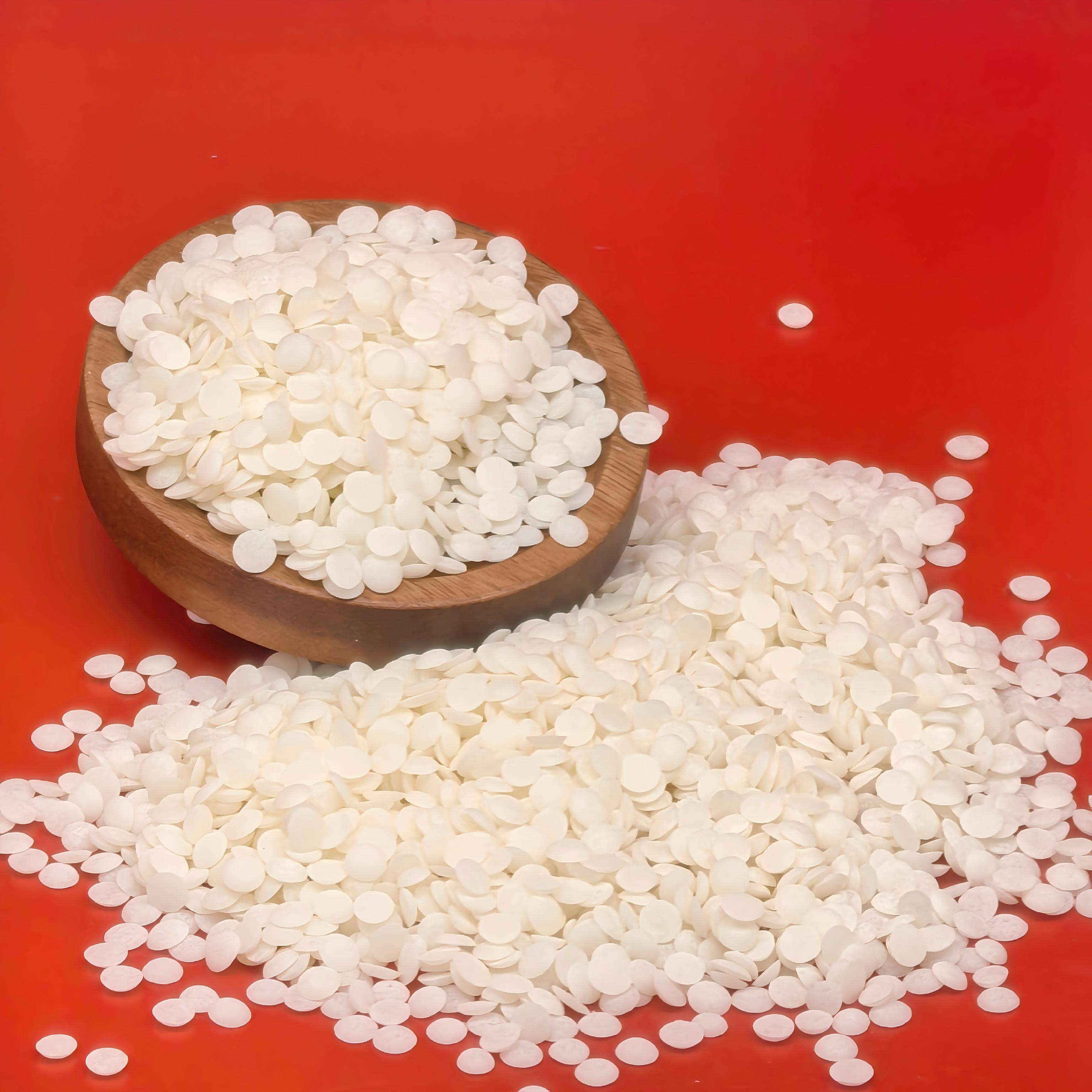
Sumac wax, a natural byproduct from the sumac plant, holds significant potential in industries like cosmetics and pharmaceuticals, yet achieving high purity and consistency can be challenging due to production inefficiencies. By optimizing production lines, manufacturers can better control variables such as temperature, pressure, and extraction time, which directly impact wax quality. This involves fine-tuning equipment, implementing real-time monitoring systems, and refining processes to minimize impurities, ensuring every batch meets stringent standards and reducing waste.
Beyond basic adjustments, advanced strategies like integrating automated feedback loops and adopting sustainable sourcing practices not only enhance purity but also improve overall consistency. For instance, using precision filtration techniques tailored to sumac's unique properties can remove contaminants more effectively, resulting in a smoother, more reliable wax. Such tailored approaches differentiate products in a competitive market, appealing to customers who value both quality and ethical production, while also boosting operational efficiency.
Harnessing Advanced Techniques for Scalable Sumac Wax Manufacturing
Scalable sumac wax manufacturing is increasingly reliant on cutting-edge extraction methods that go beyond traditional steam distillation. Techniques such as supercritical fluid extraction using carbon dioxide have gained traction for their ability to preserve the wax's natural antioxidant properties while achieving higher yields. This approach not only reduces processing time but also minimizes environmental impact by avoiding harsh solvents, making it ideal for large-scale operations aiming to meet growing demand in industries like cosmetics and pharmaceuticals.
Furthermore, integrating automation and real-time monitoring systems into production lines has revolutionized the consistency and quality of sumac wax. By employing IoT sensors and AI-driven analytics, manufacturers can precisely control variables like temperature and pressure during the wax purification phase. This results in a more uniform product with fewer impurities, directly addressing the challenges of batch variability that often hinder scalability in natural wax production.
Another key advancement is the application of nanotechnologies to enhance the functional performance of sumac wax. Through nano-emulsification, the wax can be processed into finer particles that improve its solubility and stability in formulations, opening up new applications in biodegradable coatings and advanced skincare. This not only diversifies market opportunities but also supports sustainable manufacturing by reducing waste through more efficient use of raw materials.
Innovative Approaches to Enhance Sumac Wax Quality in High-Volume Output
Optimizing sumac wax production for large-scale operations means rethinking extraction methods from the ground up. Rather than sticking to conventional solvent-based techniques, some producers are adopting advanced cold-pressing and supercritical CO2 extraction. These approaches not only minimize chemical residues but also preserve the wax's natural composition, leading to a purer, more consistent product. By tweaking pressure and temperature settings, manufacturers can fine-tune the quality, enhancing characteristics like melting point and color without sacrificing yield.
Another game-changer is integrating real-time monitoring systems into the production line. Sensors and automated controls track parameters such as moisture content, acidity, and particle size throughout processing. This allows for immediate adjustments, catching deviations before they affect large batches. For example, if humidity levels spike, the system can automatically tweak drying times, ensuring the wax maintains its integrity. Such innovations reduce waste and elevate quality control, making high-volume output more reliable and less prone to variability.
Beyond technology, strategic blending practices are revolutionizing sumac wax quality at scale. By sourcing sumac berries from diverse geographical regions and harvest times, producers create custom blends that balance specific traits, like hardness or sheen. This method leverages natural variations to achieve desired properties, reducing reliance on additives. Coupled with precise timing in post-harvest handling—such as immediate cooling to prevent oxidation—it results in a superior wax that stands out in competitive markets for its natural appeal and performance consistency.
Mastering the Secrets of Efficient Sumac Wax Sourcing and Processing
Sourcing sumac wax efficiently requires a deep understanding of the plant's growth patterns and regional availability. Experienced suppliers often focus on wild-harvested sumac from areas with sustainable populations, ensuring a consistent supply without depleting natural resources. This approach involves building strong relationships with local harvesters who can identify prime collection times—typically late summer when the wax content peaks. By prioritizing ethical sourcing practices, such as fair compensation for communities and minimal environmental impact, businesses not only secure high-quality raw materials but also contribute to long-term ecological balance, making their operations more resilient and socially responsible.
Processing sumac wax effectively hinges on refining techniques that preserve its unique properties, like its natural water-repellent and antioxidant qualities. Many producers have shifted towards gentle, low-temperature extraction methods to avoid degrading the wax's beneficial compounds, resulting in a purer product that commands a premium in markets. Innovations such as solvent-free processing and energy-efficient drying systems can significantly reduce operational costs while enhancing purity, appealing to eco-conscious consumers. Tailoring these methods to specific sumac varieties further optimizes yield and quality, allowing processors to stand out by offering specialized wax blends for applications in cosmetics, food preservation, or industrial coatings.
To truly master this niche, integrating sourcing and processing into a seamless workflow is key. This might involve using real-time data analytics to track harvest conditions and adjust processing parameters on the fly, ensuring peak efficiency and product consistency. Sharing insights through transparent supply chain stories—like highlighting the journey from sustainable wild stands to final packaging—can build brand trust and differentiate offerings in a competitive market. Ultimately, success lies in balancing technical expertise with a commitment to sustainability, creating a distinctive edge that resonates with buyers seeking both performance and ethical integrity.
Strategies for Maintaining Superior Sumac Wax Standards at Scale
Maintaining high-quality sumac wax production across large-scale operations demands a meticulous focus on sourcing and processing techniques. It begins with rigorous selection of sumac berries, emphasizing those harvested at peak ripeness from regions known for optimal purity. By implementing real-time monitoring during extraction, we can ensure consistent viscosity and color, avoiding common pitfalls like contamination or over-processing that might compromise the wax's natural properties.
Scaling up without sacrificing standards requires integrating automated quality checks at every stage. Advanced filtration systems remove impurities while preserving the wax's unique aromatic compounds, and temperature-controlled storage prevents degradation during bulk handling. This holistic approach not only boosts efficiency but also reinforces the reputation of sumac wax as a premium ingredient in various industries.
Innovation plays a key role in sustaining excellence over time. Collaborating with agricultural experts to develop sustainable harvesting practices and exploring eco-friendly extraction methods can enhance both yield and quality. By prioritizing transparency in the supply chain and adapting to evolving market demands, producers can uphold superior standards that set their sumac wax apart in a competitive landscape.
FAQ
The primary differentiators include sourcing wild-harvested sumac berries instead of cultivated ones for richer wax content, using cold-pressing methods to preserve natural antioxidants, and implementing rigorous batch testing for purity and consistency, which many bulk producers overlook.
They employ advanced monitoring systems throughout the extraction process, maintain controlled humidity and temperature in storage facilities, and blend multiple harvest batches to balance variations, ensuring every bulk order meets uniform quality standards.
Common pitfalls include overheating during extraction, which degrades the wax's natural properties; using solvents that leave residues; and neglecting to remove plant debris, leading to impurities that affect performance in applications like cosmetics.
Yes, top manufacturers adopt practices like rotational harvesting from wild sumac stands to prevent over-exploitation, utilizing solar energy in processing, and implementing zero-waste systems where by-products are repurposed for fertilizers or biofuels.
Beyond common uses in lip balms and candles, it serves as a natural waterproofing agent for textiles, a binder in wood finishes for enhanced durability, and a base for artisanal modeling compounds due to its malleable texture and non-toxic nature.
Harvesting sumac berries in late autumn, just after the first frost, yields wax with higher lipid content and a richer color profile; timing is critical, as early harvesting reduces yield and quality, a nuance many bulk operations miss.
Essential steps include third-party testing for heavy metals and allergens, verifying the absence of pesticides through certificates of analysis, and conducting stability tests under various conditions to ensure shelf-life and safety in skincare formulations.
Conclusion
Sumac wax manufacturing has evolved into a sophisticated art, where craftsmanship meets efficiency to achieve bulk excellence. The process begins with mastering the secrets of efficient sourcing and processing, ensuring that raw materials are of the highest quality from the outset. By unveiling the art of sumac wax craftsmanship, manufacturers can seamlessly integrate traditional methods with innovative approaches, leading to superior purity and consistency. This foundation allows for scalable production that maintains the integrity of the wax, even in high-volume outputs, setting a benchmark in the industry.
To elevate sumac wax quality, optimizing production lines is crucial, leveraging advanced techniques for seamless operation. Harnessing these methods enables manufacturers to enhance consistency and purity across large batches, while innovative strategies ensure that standards remain uncompromised at scale. By combining these elements, producers can deliver premium sumac wax consistently, meeting rigorous demands without sacrificing quality. The focus on maintaining superior standards through strategic planning and cutting-edge practices not only boosts efficiency but also positions manufacturers as leaders in the competitive market.
Contact Us
Contact Person: Alan Zhu
Email: [email protected]
Tel/WhatsApp: 8613931838766
Website: https://www.cnxushibeeswax.com