Distillation Equipment Company: Choosing the Right Partner for Your Facility
2026-08-24
Choosing a distillation equipment partner is rarely just about hardware. It's about uptime, product purity, and knowing your process won't let you down at 2 a.m. Yet many facilities settle for one-size-fits-all systems that quietly drain efficiency. That's where DYE comes in. We match equipment to your actual operating conditions, not a generic spec sheet. In this post, we'll break down what to look for before you sign a contract.
Pinpointing Your Facility's Distillation Requirements Without Guesswork
Every facility walks a fine line between overengineering a distillation setup and underestimating what the process actually demands. The usual approach—copying a neighbor's design or leaning on a vendor's one-size-fits-all pitch—often leaves operators wrestling with wasted energy, stubborn bottlenecks, or purity levels that never quite settle. Instead of treating requirements as a guessing game, start by mapping the actual behavior of your feed stream: its composition shifts, thermal sensitivity, and the real operating window you can sustain without constant babysitting.
That mapping quickly reveals that two plants handling the same nominal mixture can need radically different column internals, reflux strategies, or side draws. Maybe your feed carries a trace component that fouls a standard tray, or your cooling water runs ten degrees warmer in summer, quietly capping throughput. Pinpointing requirements means pulling those hidden constraints into the open—running a few targeted bench-scale trials, checking historical batch logs for anomalies, and asking operators where they actually fight the process. Once those details sit on the table, the path to a sensible design stops feeling like a bet and starts behaving like arithmetic.
The payoff shows up in places that don't make headlines: fewer emergency shutdowns, less solvent makeup, and a column that responds predictably when upstream feeds drift. You don't need a crystal ball, just a willingness to interrogate your own operation before someone hands you a shiny but mismatched piece of hardware.
Why Build Quality Separates Dependable Partners from Costly Shortcuts
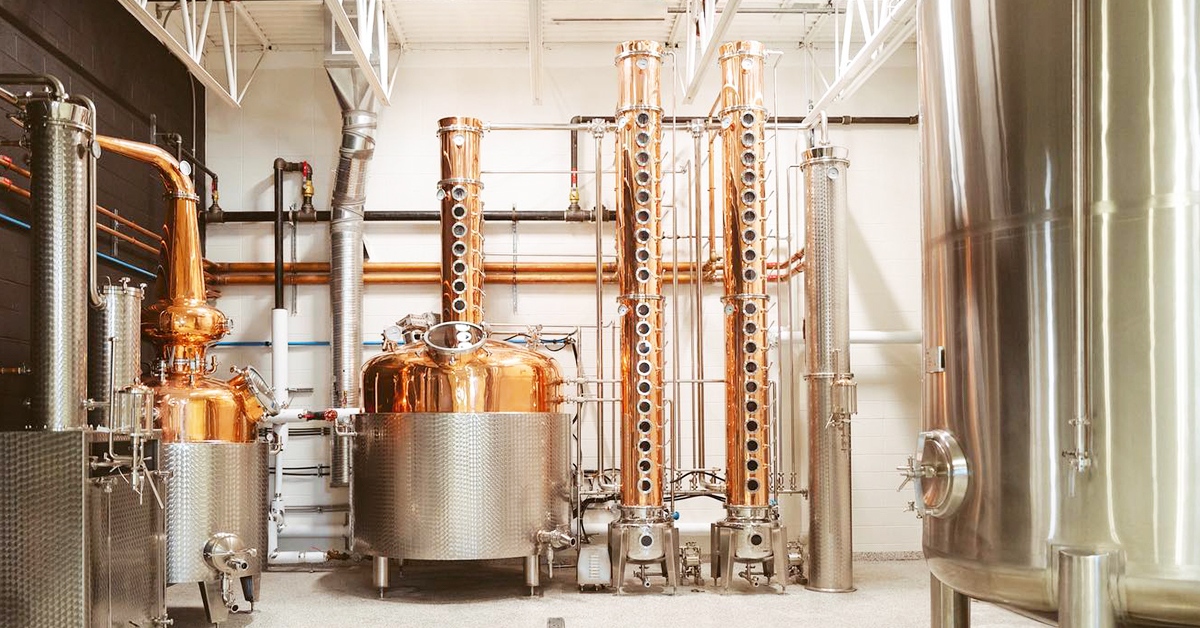
When a supplier cuts corners on materials or rushes assembly, the savings rarely stay hidden for long. A bracket that looks solid on the surface might crack after a few months of vibration, or a seal that wasn't properly cured starts leaking once temperatures drop. The real difference shows up in the field—not in the spec sheet. Dependable partners understand that every weld, fastener, and finish choice carries a consequence that the end user will eventually feel.
There's also the matter of how quality gets communicated before any order is placed. A factory that invests in proper tooling and inspection tends to ask sharper questions about your application, tolerances, and expected life cycle. They aren't just quoting a part; they're mapping risk. Costly shortcuts, by contrast, often arrive with vague assurances and low upfront pricing that quietly shifts the burden to you through rework, delays, or warranty claims.
Over time, that distinction compounds. A partner who builds to last doesn't just deliver a component—they deliver predictability. You stop budgeting for surprise failures and start planning around reliable lead times and repeatable output. It's the difference between a supplier who needs constant oversight and one you can trust when the schedule tightens and there's no room for a second attempt.
Custom Engineering: When Off-the-Shelf Units Fall Short
Standard catalogs are full of near-matches: a conveyor that almost fits the mezzanine, a heat exchanger that nearly handles the flow rate, a gearbox that would work if only the mounting flange were rotated. But in the real world, “almost” is where downtime, safety issues, and retrofit headaches begin. That’s when custom engineering stops being a premium service and starts being the only sane path forward. We’ve seen too many plants forced to rebuild structural steel or reroute piping around a “compatible” unit that was never designed for their actual conditions.
The difference isn’t just drawing a part with odd dimensions. It’s understanding why the standard unit fails in your application—thermal cycling, vibration, corrosive mist, access clearance, or simply legacy footprints that nobody wants to touch. Our engineering team starts with the field data you already have, then walks the line itself when possible. That’s how a custom drive base for a packaging line in a humid food plant ends up with sealed bearing cavities and a washdown-friendly geometry that no catalog supplier would ever offer.
Custom work also means not paying for what you don’t need. Off-the-shelf units often bundle features, materials, or connections that add cost without adding value. When we engineer to your exact load, speed, and environment, the result is often simpler to install, easier to maintain, and longer lasting than a compromised standard product. And because the drawings, calculations, and material specs are yours, future replacements are no longer a mystery—they’re a known quantity.
Service and Support After Installation: The Real Test of a Supplier
The moment a machine is bolted to the floor and the commissioning engineer walks out the door, the sales pitch is over. What remains is the day-to-day reality of breakdowns, software glitches, and maintenance scheduling. Too many suppliers treat the post-installation phase as an afterthought, routing support calls through generic call centers and dispatching technicians who have never seen your specific configuration. The real test isn't whether a supplier can deliver a working system on day one, but whether they can keep it running at full capacity on day 500.
A supplier worth keeping on your approved vendor list understands that support is not a cost center but a relationship builder. They monitor your equipment remotely, flagging wear patterns before they become failures, and they stock critical spare parts locally rather than shipping them from a warehouse three time zones away. Their engineers pick up the phone knowing your production line's quirks, not just the model number. This kind of proactive support rarely shows up in a quote comparison spreadsheet, yet it determines whether a minor hiccup costs you an hour of downtime or an entire shift.
Ask any plant manager who has been through an emergency repair at 2 a.m. and they will tell you the truth: a supplier's warranty document is less important than the name and direct line of the technician who answers. The best suppliers earn their reputation after the invoice is paid, when the pressure is on and every minute of stoppage bleeds profit. If you want to know who your real partners are, wait until something breaks—then watch how fast they move.
Regulatory Compliance and Safety: Non-Negotiables in Distillation
Distillation units operate at the intersection of heat, pressure, and flammable chemistry, so regulatory compliance isn’t a formality to handle after a run. It means confirming vessel ratings against ASME or equivalent codes, keeping relief paths clear, and tracking every maintenance action in a way an auditor can follow without asking twice. Plants that treat this as paperwork discover the hard way that a forgotten gasket check or an outdated relief valve tag can shut down a whole line.
On the safety side, the non-negotiables are wired into the equipment itself. Interlocks that cut heat on high pressure, gas detectors tied to ventilation, and grounding systems for solvent transfers are not optional add-ons. Operators need written, practiced procedures for startup, shutdown, and upset conditions, and those procedures must match the actual valve positions on the floor. When a shift can explain why a bypass is open and what they are watching, compliance stops being a checklist and becomes the way the unit runs.
Building a Partnership That Outlasts the Equipment Warranty
When you invest in industrial equipment, the warranty period often feels like the finish line. But what happens after the last covered repair? At our company, we view the warranty as just the starting point of a working relationship. We stay engaged long after the paperwork expires, checking in on performance, suggesting upgrades that actually make sense for your operation, and helping you squeeze more value from every machine. It's not about selling you a service contract — it's about making sure the equipment keeps earning its keep.
Real support doesn't have an expiration date. We've had customers call us three years after purchase with a strange vibration, and our engineers walked them through the fix over the phone without sending an invoice. That's not lost revenue; that's building trust. Because when the time comes to expand or replace a line, they know who to call first. A partnership like that can't be written into a warranty document, but it can be earned through consistent, ego-free help.
The equipment will eventually age, but the relationship shouldn't. We document every interaction, every tweak, every spare part ordered, so when you call, we aren't starting from zero. We remember your plant layout, your operators' quirks, even which shift runs the machine hardest. That institutional memory is what turns a vendor into a partner — someone who cares whether your production line is running smoothly on a random Tuesday in July, long after the original purchase order has faded from memory.
FAQ
Look for a track record with facilities similar to yours, not just a glossy brochure. A dependable partner asks about your feed composition, throughput targets, and space constraints before quoting anything. They also speak plainly about material compatibility—like when glass-lined steel beats 316 stainless—and don't push the most expensive setup by default.
It's often the difference between a smooth startup and months of rework. Off-the-shelf columns can work for simple separations, but most facilities deal with impurities, fouling tendencies, or odd pressure drops. A good company modifies internals, nozzle placement, and control loops around your actual process, not the other way around.
Get specifics: typical response time for emergency service, availability of spare trays or gaskets, and whether the vendor has engineers who can troubleshoot over a video call. Also ask if they offer operator training after installation—many issues with distillation systems come from subtle operational mistakes, not hardware faults.
Often yes, but not always. The real cost hides in lower-grade alloys, thinner insulation, or undersized condensers that force you to run at reduced capacity. If a quote is dramatically lower, ask which components were downgraded. Sometimes a simpler carbon steel unit is genuinely fine for a non-corrosive, low-temperature service.
Request references from facilities running similar mixtures at similar scale, and actually call them. Ask for a detailed heat and mass balance for your specified feed—not a generic datasheet. If they hesitate to share performance data from past projects, that's a red flag. You can also ask for a pilot test or a small-scale trial before committing to a full system.
If you're in food, pharma, or any regulated industry, certifications aren't optional. Ask for documentation on wetted parts, pressure vessel codes, and surface finish reports. A trustworthy company keeps these records organized and can provide them quickly for audits. Missing paperwork can delay your own compliance sign-off by weeks.
When the shell and major structural components are still in good shape but internals like trays or packing are worn. A skilled partner can inspect the column, run hydraulic calculations, and replace only what's needed. This can cut costs by 40-60% while improving performance—far better than a full replacement if your process chemistry hasn't changed.
Conclusion
Finding the right distillation equipment partner starts long before you compare quotes. You need a supplier who takes time to understand your facility's unique throughput, purity targets, and space constraints—not one who pushes a standard catalog. Proven build quality matters more than glossy brochures: thick-walled columns, precision welding, and corrosion-resistant alloys prevent costly downtime and leaks. When off-the-shelf units fall short, custom engineering becomes essential. A partner who modifies condenser sizes, column internals, or control systems to match your specific solvent recovery or fractional distillation challenges will save you from retrofitting headaches later.
But installation is only the midpoint. After the equipment is commissioned, the real test emerges—how quickly does the supplier respond to a pump failure or a vacuum leak? Look for a company with local service technicians, documented spare parts inventory, and training programs for your operators. Regulatory compliance and safety can't be optional: pressure vessel certifications, explosion-proof electrical classifications, and emission standards must be met without cutting corners. Ultimately, you're not buying a still; you're building a relationship that should outlast the warranty. Choose a partner who audits your process, suggests efficiency upgrades, and stands behind their work years after the final payment clears.
Contact Us
Contact Person: Ada Xu
Email: [email protected]
Tel/WhatsApp: 0577-86806088
Website: https://www.dayuwz.com/